Online card authentication has traditionally been designed around a familiar interaction: a customer reaches checkout, presents a payment method and proves they are authorized to use it. That model is starting to stretch.
Payments now move through digital wallets, apps and an expanding range of online experiences. Agentic commerce adds another layer, with AI agents beginning to participate in transactions on behalf of consumers.
Against that backdrop, EMVCo is developing the Digital Payment Credential (DPC). EMVCo is the global technical body that creates and manages the EMV Specifications used to support secure, interoperable card-based payments worldwide. In June 2026, it released a draft Digital Payment Credential Schema Framework for public review.
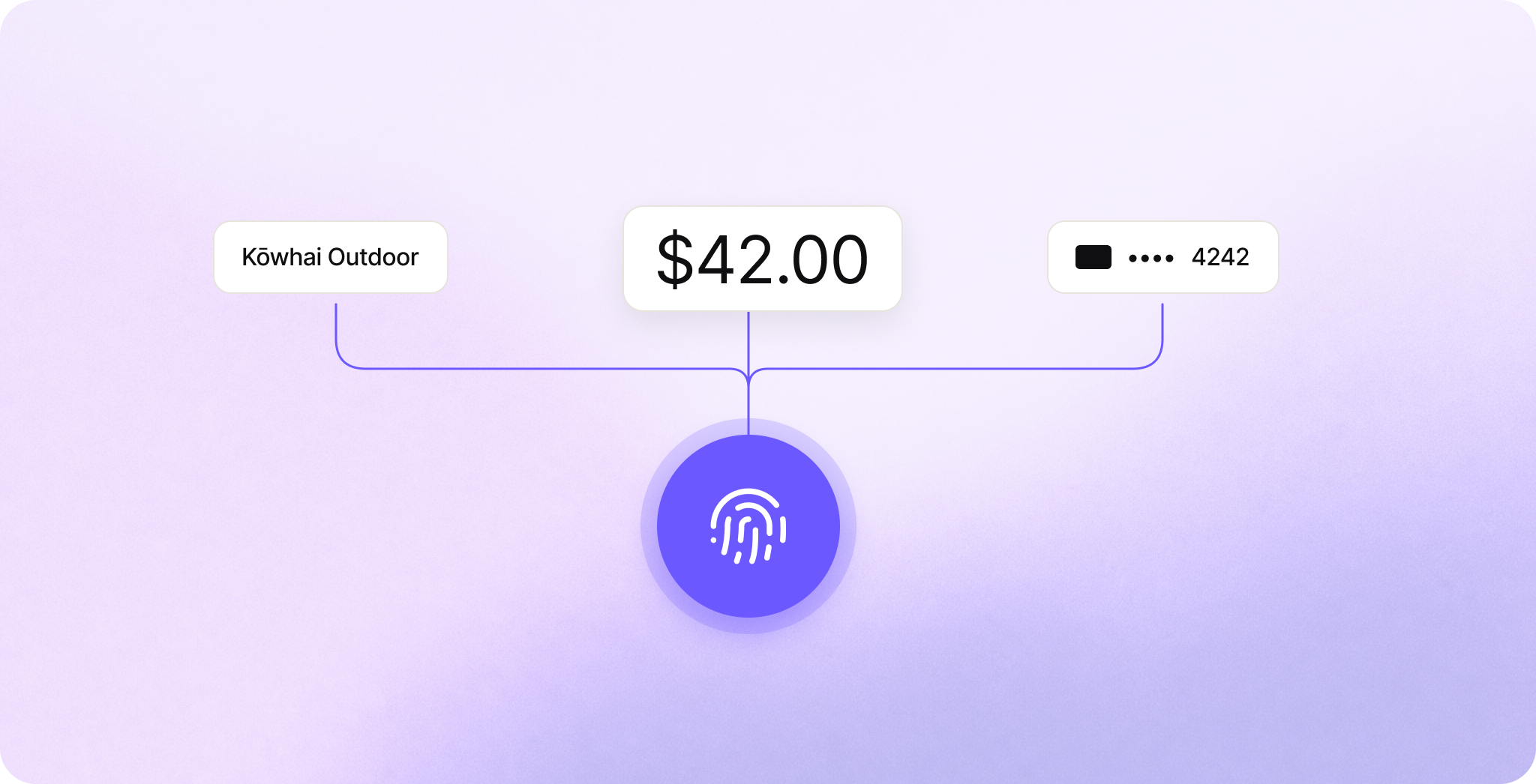
DPCs point towards a payment model where authentication information can be packaged as verifiable proof and used across different parts of the payment ecosystem.
What is a Digital Payment Credential?
A Digital Payment Credential is a payment card-specific application of a verifiable digital credential (VDC).
Verifiable digital credentials are digital representations of trusted information that can be presented online or in person and verified cryptographically. EMVCo's DPC work applies this model to online card-based payment authentication.
The current work starts with the credential's schema: the data it contains and how that data is structured. That may sound like a narrow technical problem, but standardization matters. If different payment networks, wallets and verification systems represent the same payment information differently, the industry risks recreating the fragmentation that interoperability is meant to solve.
EMVCo is explicitly designing the DPC initiative around a common approach to credential provisioning, request and verification across those environments.
Payment authentication can move with the journey
Payment tokenization and EMV 3-D Secure already play established roles in securing online card payments, and Digital Payment Credentials are being developed alongside them.
DPCs introduce a different architectural possibility. Rather than designing authentication around each individual interface, trusted payment information could be presented and verified as the payment moves between environments.
For businesses designing payment experiences, that creates room to think differently about where authentication belongs.
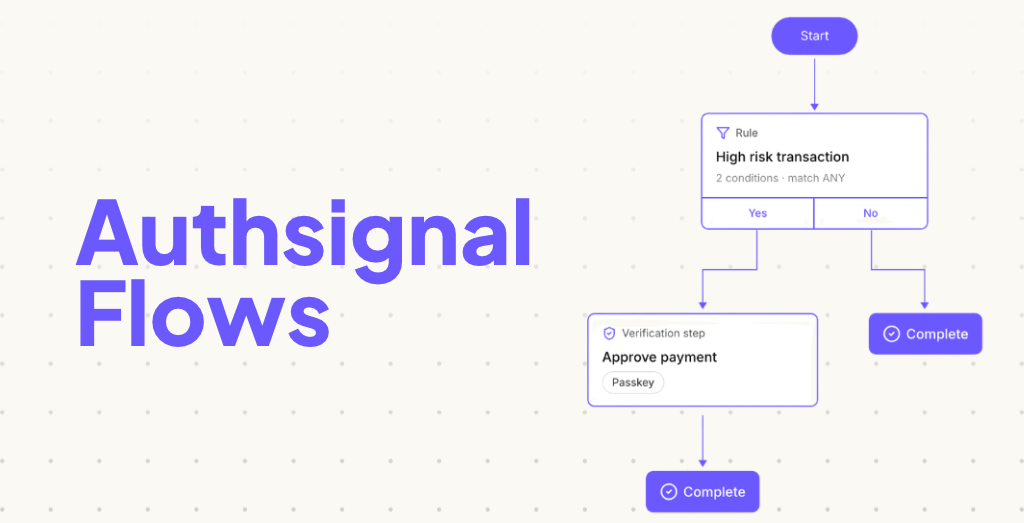
A journey may start in one channel and finish in another, so authentication cannot stay fixed to a single step or interface. Risk, previous verification and transaction context should influence what happens next. Authentication then becomes an orchestration problem rather than a collection of individual challenges.
Done well, that should also improve the customer journey. Security should feel almost invisible when the available trust signals are sufficient, while stronger verification can appear only when the context or risk actually requires it.
Interoperability will decide how useful DPCs become
A new credential format alone does not simplify a payment experience. Its value comes from different participants being able to issue, request and verify it consistently.
EMVCo intends the DPC framework to address card payment authentication requirements as well as device binding, cross-domain usage and dynamic linking. It is also investigating future functionality for payment initiation.
That becomes more relevant as payments and digital identity begin to use more of the same concepts: wallets, verifiable credentials and cryptographic proof.
For product teams, the opportunity is less about adding another payment method and more about creating payment journeys flexible enough to work with portable forms of trust.
New channels make portable trust more valuable
Agentic commerce makes this direction particularly interesting.
EMVCo's separate Agentic Payments work is examining how card payments should establish consumer intent and delegated authority when an AI agent makes purchases on someone's behalf. Digital Payment Credentials do not solve that problem on their own, but they sit within the same broader move towards interoperable, verifiable payment interactions.
The DPC Schema Framework is still a draft, and the model will continue to develop. but the direction is already useful. Payment experiences are becoming less tied to a single checkout, device or channel, and authentication infrastructure needs to become flexible enough to move with them.
That means recognizing the trust already established, responding to context and risk, and avoiding a new standalone flow every time a new wallet, credential or verification method is introduced.
Businesses that design for this kind of orchestration will be better placed to adopt Digital Payment Credentials and whatever changes come next.